
Affiliate disclosure: As an Amazon Associate, Rum and Ringtails earns from qualifying purchases. Links to Amazon below are specific products we picked by hand; if you buy through them we may earn a small commission at no extra cost to you. We don’t take money to recommend anything.
Every liveaboard eventually goes hunting for boat storage ideas, usually right after digging through three lockers to find one roll of rigging tape. We have done that dig more times than we want to admit. The raccoon insists everything has a place. The possum insists the place is “somewhere under the settee.” Living aboard full time taught us that a small boat doesn’t need more space, it needs a system.
This is the system we use, plus the gear that made it work. None of it requires cutting into the boat, and most of it costs less than a night in a marina.
Start with storage zones, not shopping
Before you buy a single bin, sort your boat into zones by how often you reach into them:
- Daily: galley, head, chart table, the cubby by the companionway. Things you touch every day live here.
- Weekly: saloon lockers and hanging lockers. Provisions you rotate, clothes in season, the toolkit you use most.
- Deep: under the berths, the bilge lockers and the lazarette. Spares, bulk provisions, off-season gear, the spare anchor rode.
Then put weight where the boat wants it. Water, tinned food, tools and spare chain belong low and near the middle of the boat, not stacked in the bow or piled on one side. A boat loaded heavy at the ends pitches more and sails worse.
Boat storage ideas for deep lockers
Deep lockers are where small stuff goes to disappear. The fix is to stop the stuff from touching the bottom.
Bins that fit the opening, not the locker
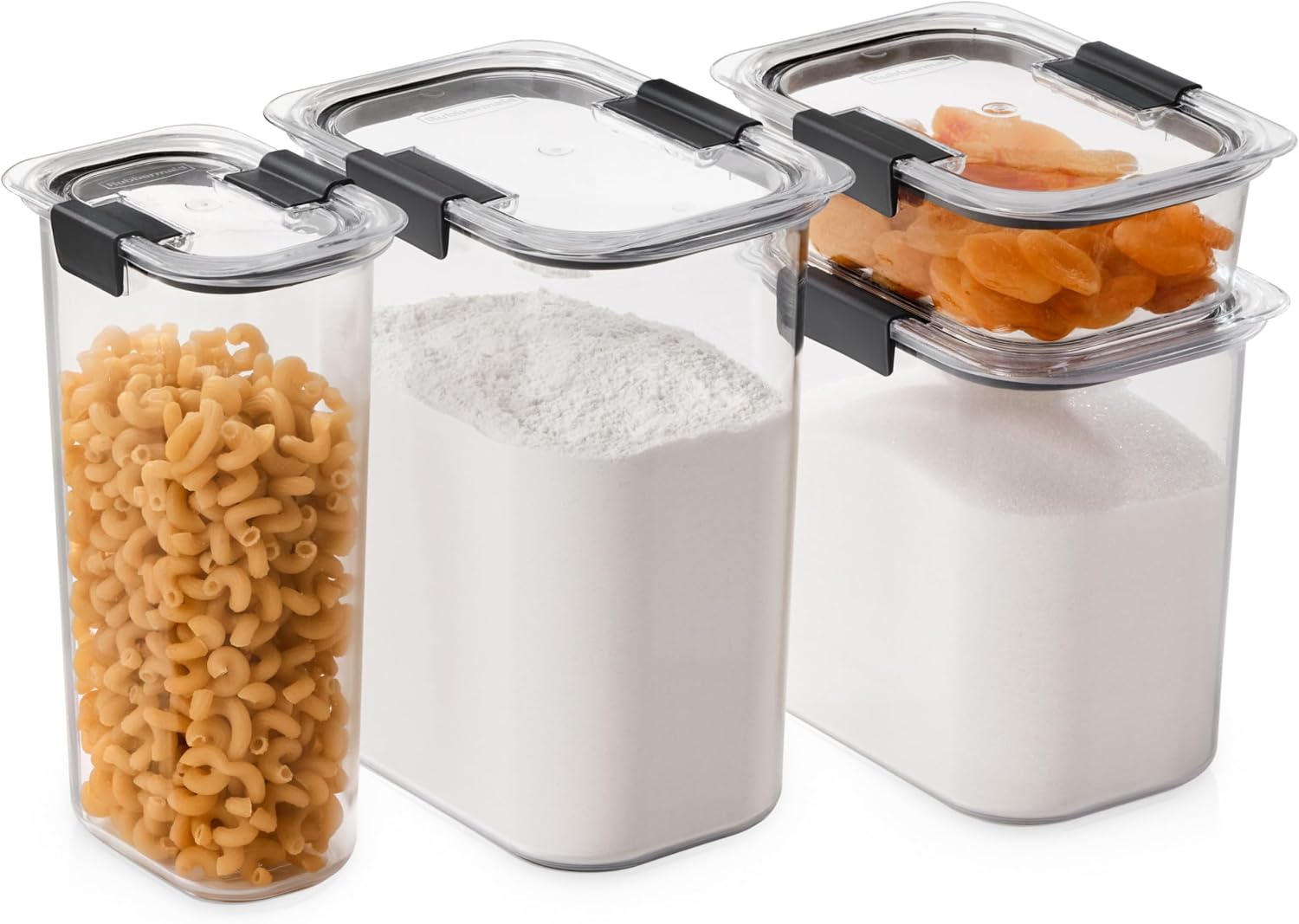
Measure the locker opening, not just the space inside. Plenty of lockers are huge inside with a lid you can barely get a hand through. Small, square stackable clear bins with latching lids beat one giant tote every time, because you can lift out the one you need. Latching lids matter: a press-on lid pops off the first time the boat falls off a wave.

Topper trays
Good Old Boat has a great piece on adding shallow topper trays over deep lockers, the way a sea chest has a lift-out tray. Bulk stuff lives below, small parts ride on top where you can see them. If you don’t want to build trays, a set of drawer organizer trays sitting on a shelf of bins does a similar job.
Waterproof boxes for anything that hates salt
Electronics, spare fuses, first aid kit, documents. These go in gasketed dry boxes, because bilge lockers get damp even on a dry boat. If your boat sweats, our guide on how to stop condensation on a boat will save the contents of those lockers.

Soft storage for curved hulls
Hull-side lockers are curved, and hard boxes waste the corners. Soft storage bends to fit.
- Vacuum bags for bedding and off-season clothes. Vacuum storage bags shrink a winter duvet into something that fits under the berth. The Spacesaver set comes with a hand pump, so you don’t need a vacuum aboard.

- Packing cubes for each person’s clothes, so a hanging locker becomes a stack of drawers. Packing cubes are cheap and come off the boat with you on shore trips.
- Mesh hammocks for fruit and veg, and for soft gear in the V-berth. A fruit hammock keeps produce breathing and out of a dark locker where it rots.
Use the vertical space
Bulkheads and the inside of locker doors are free real estate.
- Magnetic knife and spice strips. A magnetic strip on a galley bulkhead holds knives, scissors and metal spice tins, and they stay put underway. Test it with a hard heel before you trust it with your best knife.

- Hanging organizers with pockets. A pocket organizer on the back of the head door or in the forepeak swallows sunglasses, headlamps, sunscreen and the handheld VHF.
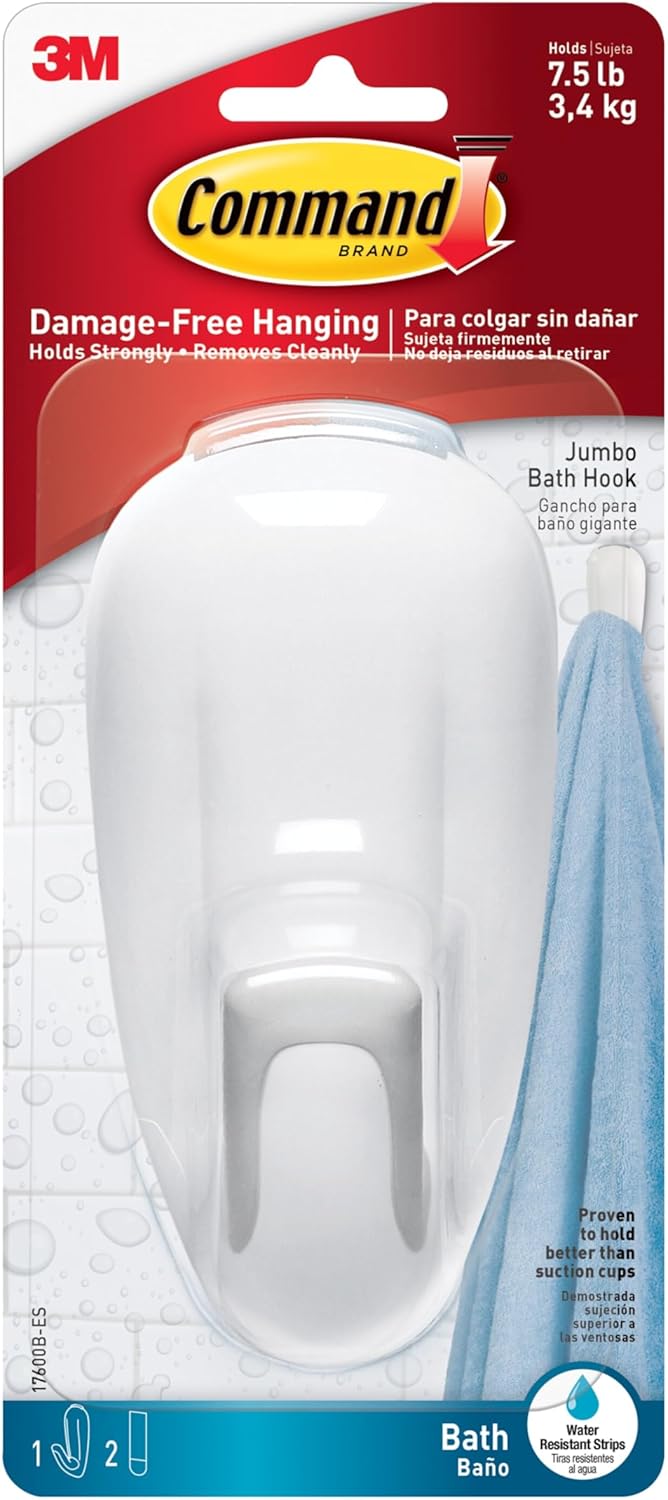
- Adhesive hooks. Strong water-resistant adhesive hooks hold foul weather gear, hats and dish towels. Clean the surface well first; damp gelcoat and teak oil are why most of them fall off.
For the galley side of things, our liveaboard galley gear list covers nesting pots and collapsible gear that free up whole lockers on their own.
Label everything and keep a storage map
The single best boat storage idea costs nothing. Number every locker, then keep a list of what is in each one. A label maker makes the bins readable at a glance, and the list means you can find the spare impeller without emptying the boat in an anchorage.

We keep ours in a notebook with the rest of the boat records. If you are just moving aboard, our liveaboard essentials checklist and the printable Liveaboard Checklist Bundle help you sort what deserves a locker at all, before you start packing.
Get rid of things
Every cruiser we know says the same thing: storage problems are mostly stuff problems. If it does one job, ask if something else aboard already does it. If you haven’t touched it in a season and it isn’t safety gear or a spare part, it can probably go ashore. We still own too many shirts, but those are Bin Bandits shirts, so they don’t count.
Our storage routine aboard
- Everything gets a home, and the home gets a label.
- Heavy goes low and central. Light and bulky goes high and forward.
- New item comes aboard, old item goes ashore.
- Once a season, empty one deep locker, check for damp, and update the map.
FAQ: boat storage
What are the best boat storage ideas for small sailboats?
Start with zones by how often you use things, then use small latching bins, soft bags for curved lockers, and the vertical space on bulkheads and doors. Labeling lockers and keeping a simple storage list does more than any single product.
How do you keep things from moving around in boat lockers?
Pack lockers so nothing can slide, use latching lids, and fill gaps with soft items like towels or packing cubes. Anything heavy should be wedged low so it can’t become a projectile in a seaway.
Where should heavy items go on a boat?
Low and close to the middle of the boat, and spread evenly side to side. Weight in the bow or stern makes the boat pitch more, and weight on one side gives you a permanent list.
How do you stop mold in boat storage?
Keep air moving, keep lockers off cold hull surfaces where you can, and use gasketed boxes for anything that matters. Check deep lockers each season, since damp spots stay hidden until something smells.
Are vacuum storage bags good for boats?
Yes, for bedding and off-season clothes. They save a lot of space and keep moisture out. Bags with a hand pump work without a vacuum, which helps if you live at anchor without shore power.
Leave a Reply